


What is scale modelling?
Everything you need to know before building your first model.

A guide to the essentials of scale modelling: the models, the tools, the woods and the finishes. What sets one level apart from the next, and how to choose without getting it wrong. Start here. And if you're still unsure at the end, the quiz does the rest.
01. What is scale modelling?
Time that's yours
Scale modelling is the art of building, piece by piece, scale replicas of the ships, aircraft, trains, trams and buildings that shaped history. It isn't just assembly: it's cutting, sanding, painting and rigging with your own hands, following the same principles used to build the originals. A hobby that trains patience, precision and calm, and ends up as a piece worth displaying. Hours away from screens, with your hands busy on something that is yours.
02. The materials
Wood
The wood in our models is FSC and PEFC certified: it comes from responsibly managed forests, never from forests at risk, and every strip has a traceable origin.
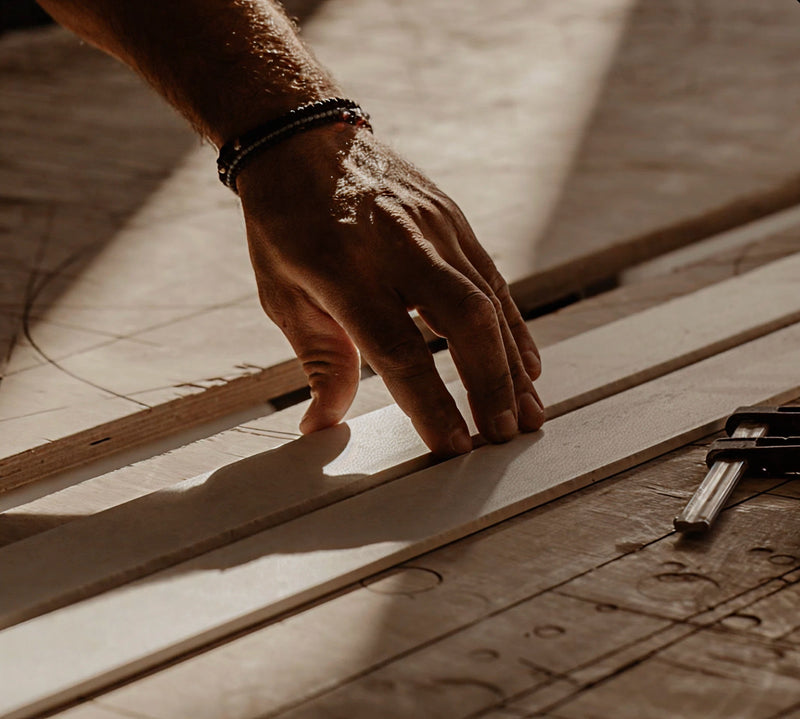
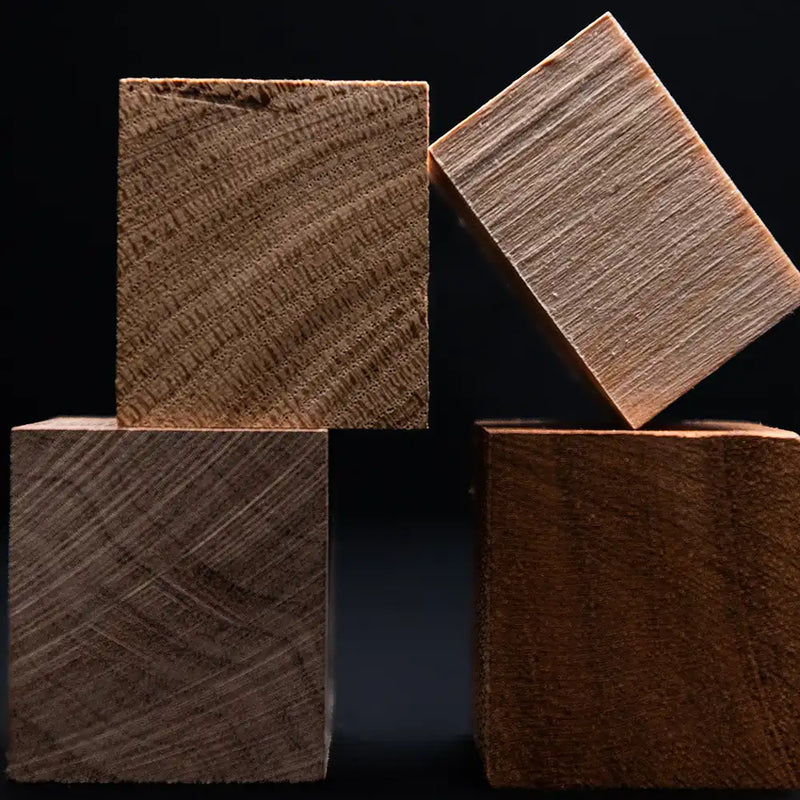
Wood in the leading role
You may not have known it, but among the ways of working with your hands — gardening, ceramics, carpentry — there is one that stands apart: wooden scale modelling. Little by little you shape the reproduction of a ship, a train, a tram or an aircraft that really existed: you cut, sand, bend and varnish. Another way to spend your free time, with wood in the leading role from start to finish.
Cotton
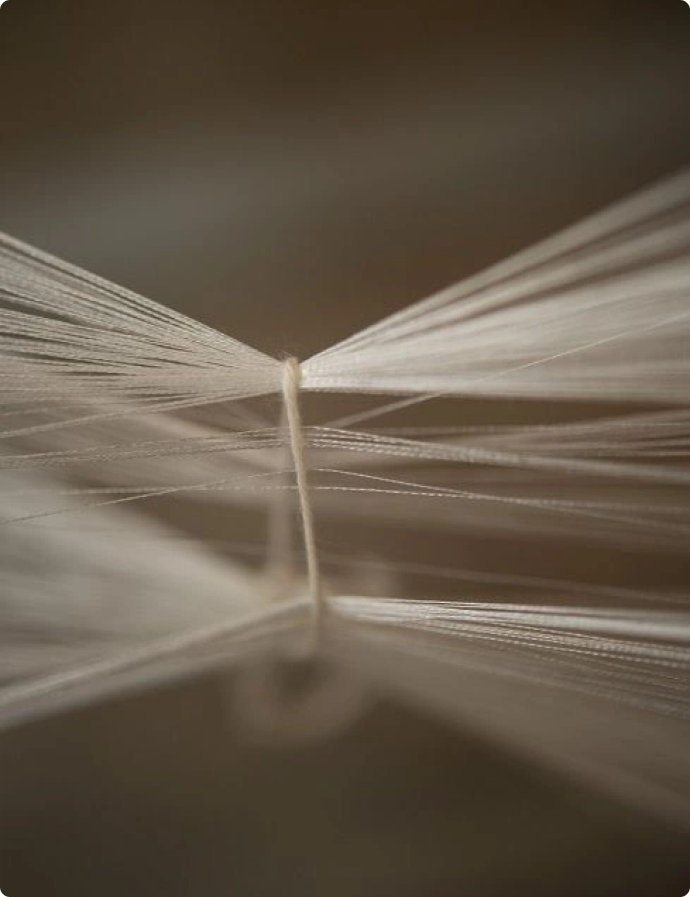
A natural fibre with just the right texture and weight to work at scale. On a ship it appears in two places: the sails, with hand-sewn boltropes, and the rigging threads that hold each sail to its mast and keep the whole rig under tension.

Zamak
Anchors, cannons, bells. Cast in zamak, the alloy that gives weight, detail and realism to historical fittings.
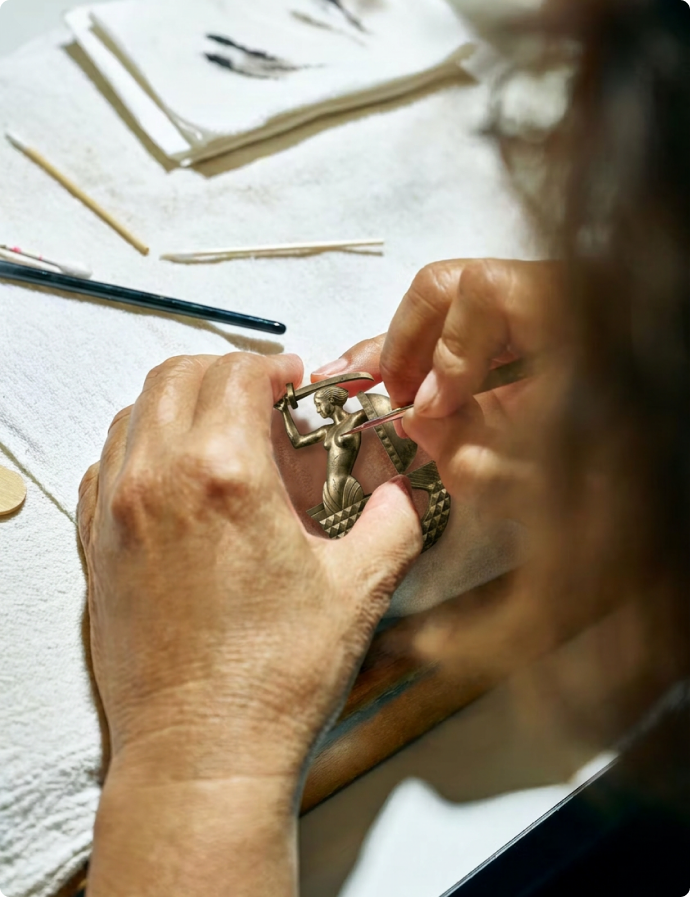
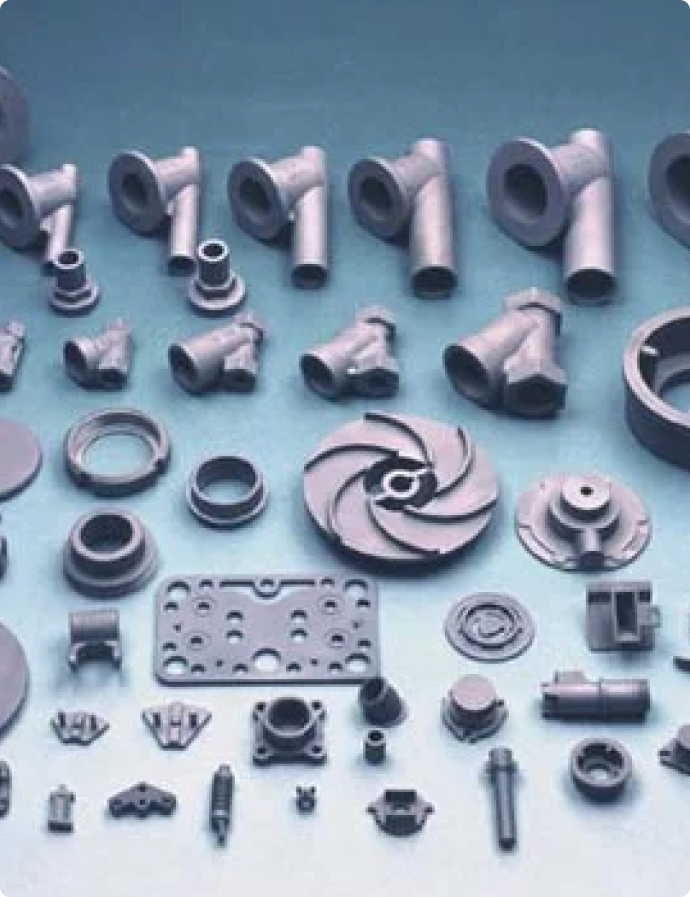
Photo-etched brass
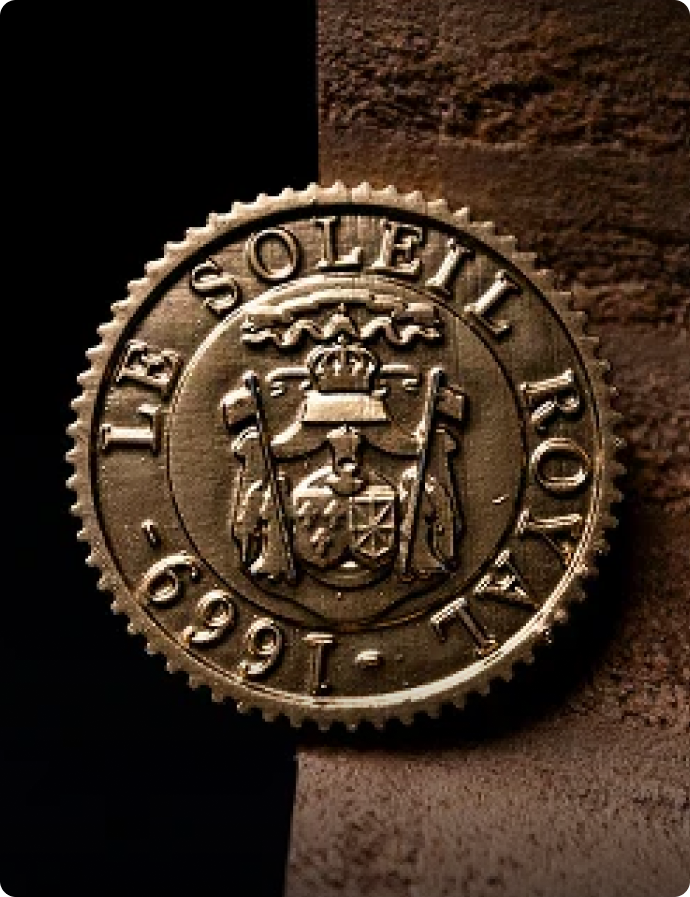
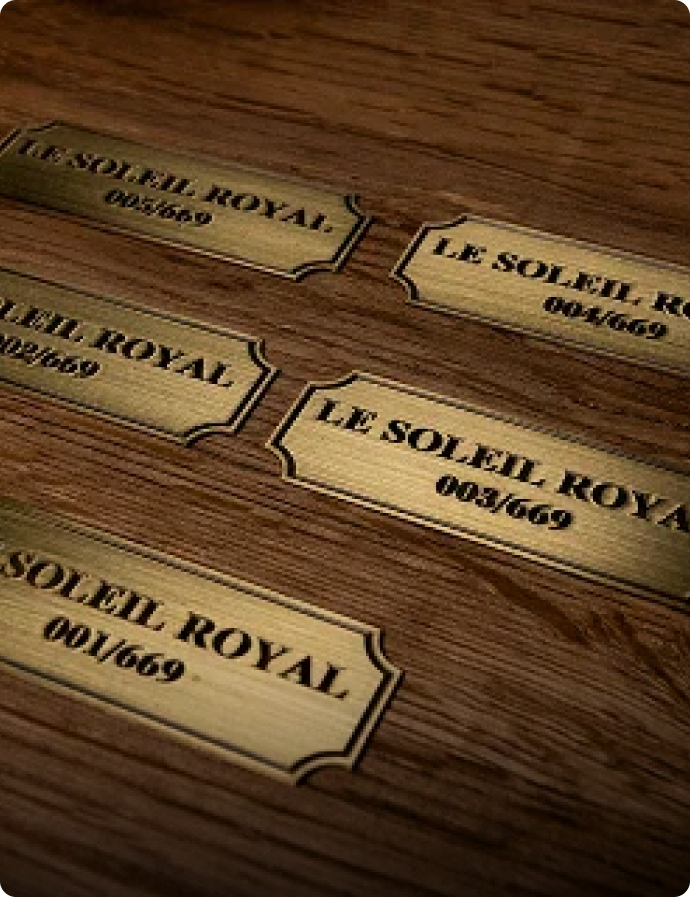
Brass sheets etched to a precision of tenths of a millimetre: railings, nameplates, ornaments. The detail that turns a model into a museum piece.
03. Types of model
Model ships

The flagship category of scale modelling. Ships that really existed: the brig that carried Darwin towards changing science, the vessel trapped in the Antarctic ice, the galleons that crossed oceans without knowing whether they would return, the yachts that fought for the America's Cup. Building one means rebuilding the voyage: you raise the hull frame by frame, plank the deck, step the masts and tension every line of the rigging, just as it was done in the original shipyard.
View all ship modelsModel aircraft

The aircraft that decided the Second World War: fighters that duelled in the skies over Europe and machines that made history in the air. Reproduced with the structure exposed — ribs and spars, as in the hangar — with rivets and cockpit detail on show.
View all aircraft modelsModel trains

The locomotives that defined the age of steam, when the railway shrank the map and connected continents. Machines of coupling rods, boilers and tenders, rebuilt piece by piece with their mechanics and their railway detail.
View all train modelsModel trams

The world's most iconic trams: Lisbon's number 28, the classics of Milan, San Francisco's cable car. Vehicles that still define their cities, in compact form: the perfect way into scale modelling and the piece that displays best.
View all tram models04. Difficulty levels

Beginner
1Few parts, step-by-step instructions and videos. Your first real model.

Intermediate
2More parts and new techniques: bending wood, planking the hull. For anyone who has already finished their first kit.

Advanced
3Long-haul projects: larger models, more parts, more technique and experience, and hundreds of hours of work (and enjoyment) ahead.

Expert
4The great models in the catalogue: thousands of parts, building techniques pushed to the limit and precision in every detail. The peak of the craft.